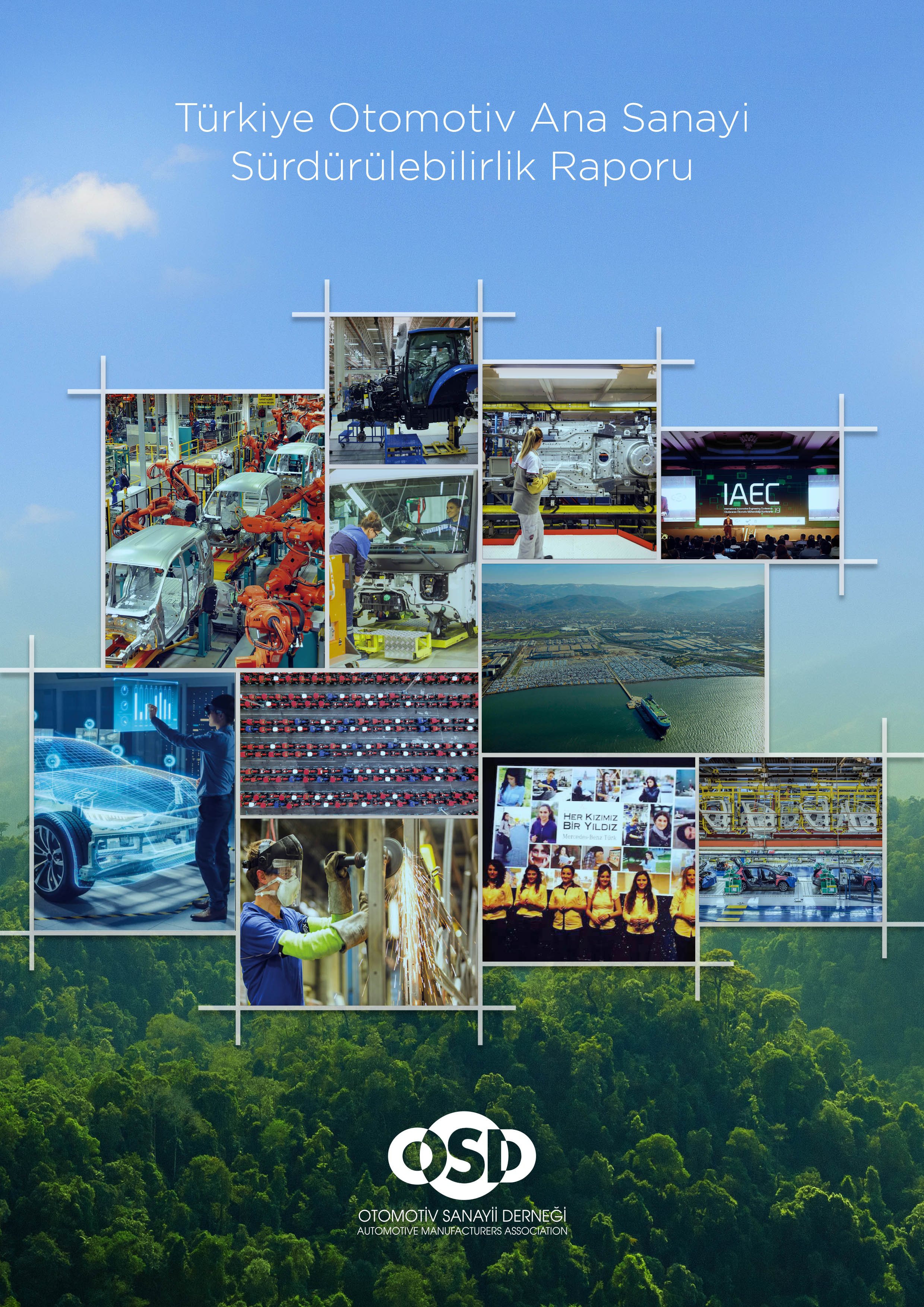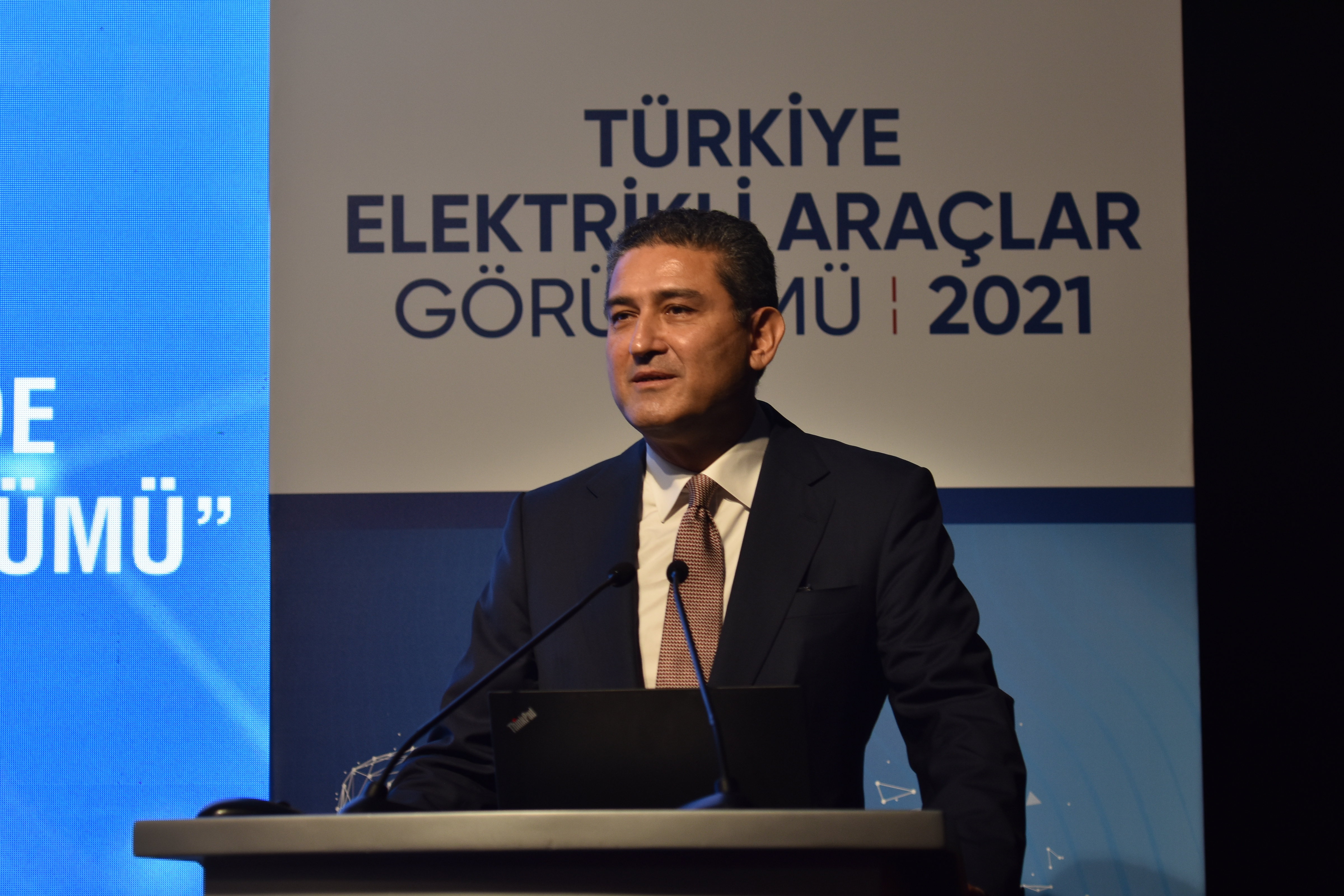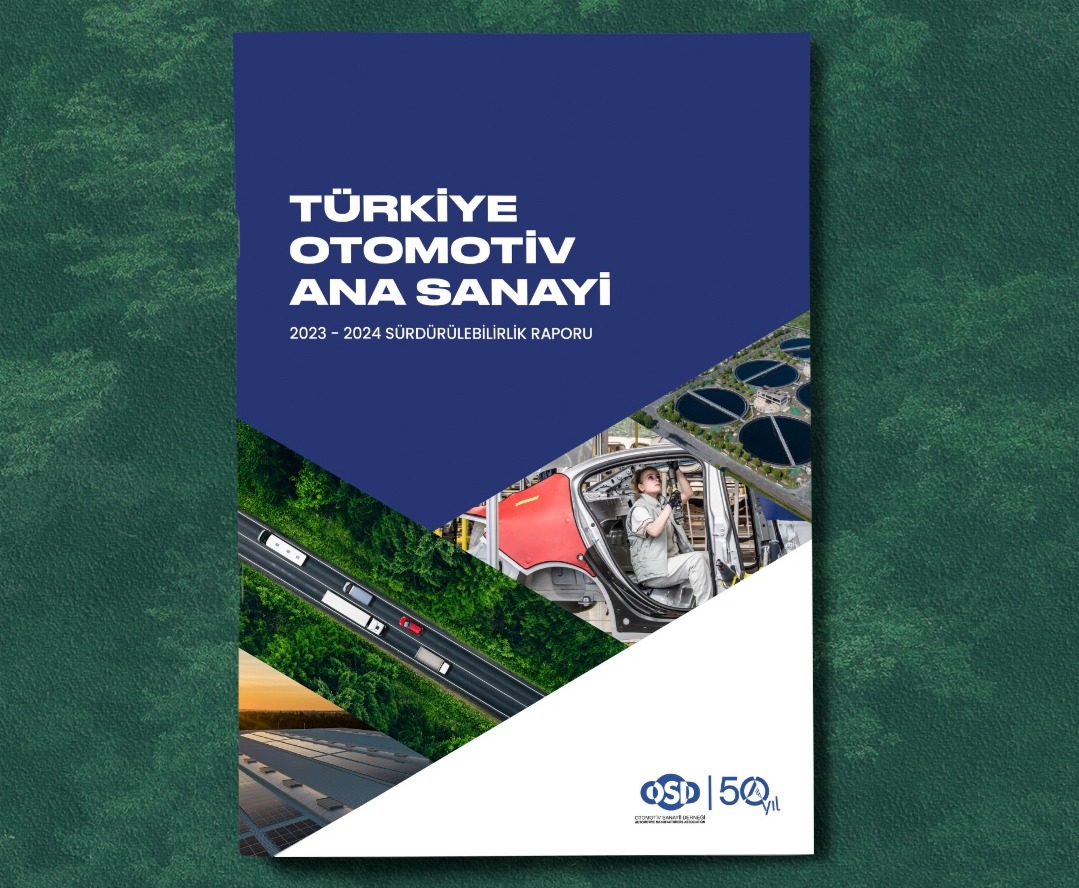
The Otomotiv Sanayii Derneği (OSD) has shared with the public its 2023–2024 Sustainability Report, which evaluates the environmental, social, and governance (ESG) performance of Türkiye’s automotive manufacturing industry in line with international standards. At a time when climate policies, technological transformation, and global competition are rapidly evolving, the report highlights the sector’s transformation through a strong reduction in greenhouse gas emissions, a remarkable increase in environmental investments, and improvements in social indicators. Prepared by only a limited number of automotive industries worldwide, this type of report demonstrates the maturity level and competitiveness of Türkiye’s automotive manufacturing sector in sustainability. The report prepared by OSD serves as a key reference for assessing the long-term strategic strength of the automotive manufacturing industry. Commenting on the report, OSD Chairman Cengiz Eroldu stated: “The Turkish automotive industry plays an important role in the global transformation, both economically and environmentally. The progress we have made in energy efficiency, emission reduction, circular economy practices, and technology-oriented production strengthens our commitment to sustainability while forming a strategic foundation that will carry our industry’s competitive structure into the future.”
As the sector-wide representative organization of Türkiye’s automotive manufacturing industry, OSD,launched its sustainability journey with Türkiye’s first Automotive Manufacturing Sustainability Report, published in 2021 using 2020 data. This report became an important benchmark for transparency, data-driven assessment, and sustainable transformation across the automotive ecosystem, integrating the sector’s environmental and social responsibility approach with international standards. With the release of its second report covering 2021–2022 data, OSD demonstrated continuity and progress in sustainability efforts. From the outset, all three reports have been prepared with methodological consistency, in alignment with Global Reporting Initiative standards and with the support of the Uludağ Otomotiv Endüstrisi İhracatçıları Birliği (OİB). In the latest report covering 2023–2024 data, OSD adopted a double materiality approach, assessing both financial impacts and effects on the environment, society, and the economy in an integrated manner. Priority topics identified through this analysis form the backbone of the report. Findings addressing stakeholder expectations and sectoral financial and operational impacts are presented in line with the UN Global Compact and the Sustainable Development Goals. Emphasizing that automotive is inherently a long-term, sustainability-focused industry, Eroldu added: “Our progress in areas such as climate action, energy efficiency, greenhouse gas reduction, air quality, digitalization, supplier sustainability, clean technologies and alternative fuels, low-carbon production and services, natural resource use, circular economy, water and wastewater management, and biodiversity represents not only today’s performance but also a strategic investment shaping our future. The future of our industry is defined by our commitment to sustainability and our ability to manage the transformation journey together.”
Internationally Competitive Environmental Performance
Environmental indicators show that Türkiye’s automotive manufacturing industry has gained strong momentum over the past five years. Between 2019 and 2024, Scope 1 and Scope 2 greenhouse gas emissions were reduced by more than 40%. In 2024, the waste recovery rate reached 98%, while water withdrawal declined by 3.2%. Achieving results below the European Union Best Available Techniques (BAT) reference values for light vehicles in key indicators such as energy consumption, water management, and waste generation confirms the strength of Türkiye’s production infrastructure in environmental sustainability. During the same period, environmental investments increased by 125% within two years, reaching TRY 936 million—demonstrating that green transformation has become a top priority for the industry.
Strengthening Human Capital, Inclusion, and Social Impact
Social performance assessments reveal steady growth in investments in human capital. OSD members directly employ nearly 60,000 people, while annual training hours per employee rose by 53% to 72 hours. The increase in women’s representation—reaching 29% in office roles—and rising participation in management reflect the sector’s commitment to diversity and inclusion. Highlighting the wide range of initiatives from education and environmental projects to youth employment programs and social support, Eroldu stated: “Our industry demonstrates its strength not only through production but also through its contribution to society. The social responsibility projects, education programs, regional support initiatives, and inclusive employment practices led by our members are tangible examples of our shared value creation approach.” He also noted that OSD’s “Strong Tomorrows Scholarship Program,” launched as part of OSD’s 50th anniversary and providing long-term scholarships and internship opportunities to 50 students in earthquake-affected regions, reflects this collective commitment.
Strategic Governance Transformation and EU Alignment
The governance section addresses strategic issues shaping the industry’s future through the lens of double materiality. Alignment with the European Green Deal and the Carbon Border Adjustment Mechanism (CBAM), digitalization, data management, energy transition, sustainable supply chains, and innovation investments are highlighted as key pillars of the transformation journey. Eroldu explained:“Our governance approach focuses on early identification of risks and opportunities, development of concrete policy proposals, and maintaining sustainable dialogue with stakeholders. Through our committees and working groups, we disseminate best practices and strengthen the structures needed for transformation by jointly addressing common challenges—thereby aligning our sector with a strategic roadmap centered on sustainability and future low-carbon production targets.” OSD also plays a critical coordination role under the EU Instrument for Pre-Accession Assistance (IPA III)–supported project titled ‘Supporting the Turkish Automotive Industry in Achieving the EU Green Deal Objectives’. The project systematically advances regulatory monitoring, technical preparation, knowledge sharing, stakeholder training, and standardization efforts. Commenting on this initiative, Eroldu stated: “Sustaining the automotive industry’s contribution to the national economy depends on alignment with EU objectives. Preserving and enhancing competitiveness requires not only following regulations but actively shaping the adaptation process and jointly strengthening sector capacity. Within this framework, the IPA III project further reinforces our guidance efforts for our members and supply ecosystem. Regulatory monitoring, knowledge sharing, standardization, and technical readiness have become critical components supporting market access and reputation management.”
A Multidimensional Sustainability Framework
The 2023–2024 sustainability assessment presents the Turkish automotive manufacturing industry’s progress across environmental performance, social development, governance practices, and economic value creation within a multidimensional framework. The indicators highlight both the sector’s transformation capability and its structural capacity to support long-term competitiveness, serving as a strong reference for future actions. Looking ahead, Eroldu summarized the sector’s priorities: “Our focus will be on deepening R&D- and innovation-driven technological capabilities, accelerating digitalization and next-generation technologies, strengthening our talent pool, and building a more resilient supply chain. Progress in these areas will enhance global competitiveness while supporting sustainable growth. We will continue working with all stakeholders to achieve a lasting and robust transformation of the Turkish automotive industry.” The Türkiye Automotive Manufacturing Sustainability Report reinforces OSD’s commitment to transparently sharing the sector’s current status, transformation capacity, and long-term strategic roadmap with the public. OSD will continue supporting the Turkish automotive industry’s alignment with sustainable development goals.
Türkiye Automotive Manufacturing Sustainability Report